Collocations for Kids
Collocations are words that often appear together, such as “heavy rain,” “ride a bike,” and “do homework.” Collocations for Kids: Words and Activities teaches word pairs as complete chunks. Knowing “teeth” does not guarantee “brush your teeth.” Start with phrases linked to home, school, food, play, and feelings. Model each phrase in a short sentence, then reuse it in games and daily talk.
Core Collocations to Teach First
Teach phrases your child can use that week. Start with six daily routines: wake up, get dressed, brush your teeth, make breakfast, go to school, and go to bed. Add familiar phrases: read a book, draw a picture, ride a bike, play a game, and do homework.
This guide to Collocations for Kids: Words and Activities groups phrases by pattern. Children need no grammar labels at first, but the groups help adults vary practice.
Choose six to ten phrases from one or two settings, not the whole table. Keep Collocations for Kids: Words and Activities manageable by reusing each set in stories, questions, and family routines before adding new phrases.
Using the Phrases in Context
A collocation gains meaning through a real message. Place “get dressed” in a sequence: “Wake up, get dressed, and make breakfast.” Change one detail: “On Saturday, I get dressed after breakfast.” The phrase stays stable while the sentence grows.
Short exchanges show collocations in speech. Ask, “What do you do before bed?” Your child might answer, “I brush my teeth and read a book.” During play, ask, “Who goes first?” and prompt “We take turns.” Older children can give a reason: “We stayed inside because there was heavy rain.”
To turn Collocations for Kids: Words and Activities into active language, ask questions with more than one possible answer. “When do you feel proud?” invites a personal response. “What can make a loud noise?” develops flexible thinking. Accept a short answer, then model a fuller sentence for your child to repeat or adapt.
Activities for Different Ages
For school-age kids, use movement and pictures. Say “brush your teeth,” “open the door,” or “throw the ball,” and ask your child to act. Show two pictures and find the one matching “heavy rain.” Keep turns brief, repeat the language, and stop while the game feels lively.
For school-age kids, use matching cards. Put verbs such as make, do, ride, and tell on one set, with breakfast, homework, a bike, and the truth on another. After matching the pairs, your child makes a sentence for each. Include one amusing mismatch and ask why “ride breakfast” does not work.
Two-minute Match and Say
Write six familiar verbs and six matching words on separate cards. Your child joins each pair, says the collocation, and makes a sentence. Next round, remove one card and ask which word is missing.
For school-age kids, add noticing tasks. Your child can underline word partnerships in a short article, song transcript, or school text, then sort them by verb or setting. Ask which phrase suits a message to a friend and which suits schoolwork. The task develops awareness of meaning and register.
Simple Practice for Home Routines
Practise Collocations for Kids: Words and Activities for five minutes at a time. Show a picture and say the phrase together. Cover it and ask your child to recall it. Use the collocation in a question later that day, then revisit it after a day or two in a new sentence.
A phrase notebook can hold one collocation per line, followed by a drawing or personal example. Write “set the table,” then let your child add, “I set the table on Fridays.” Multilingual children may add a home-language equivalent, but should store the English phrase whole, not rebuild it word by word.
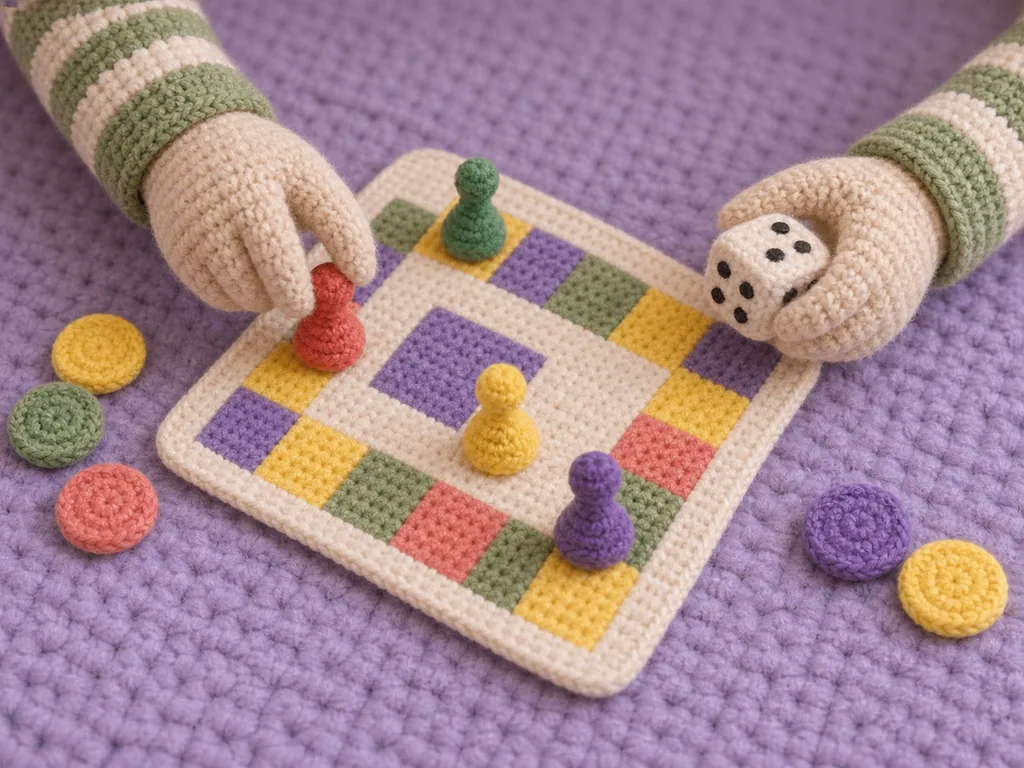
Daily life supplies natural prompts. Before a journey, discuss pack a bag and catch a bus. At meals, practise pour water and cut the bread. During play, use roll the dice, take turns, and keep score. Choose routines that fit your family without relying on one country’s sports, food, or school customs.
Common Mistakes and Helpful Corrections
The first mistake is teaching only the noun. Learning “mistake” does not show whether English uses do or make with it. Present “make a mistake” as one unit. Explain each word if needed, but practise the full phrase: “It is fine to make a mistake when you are learning.”
Literal translation can produce an unusual English pairing. If your child says, “I made my homework,” skip a long correction. Model the natural form: “You did your homework before dinner.” Then ask a question using it: “Was the homework easy?” The response keeps attention on meaning while supplying the correct collocation.
English varies across countries and communities, so every difference is not an error. A child may hear both “have a shower” and “take a shower.” Teach the form used in your child’s lessons, books, or local setting, and explain that another established form can be correct. Consistency helps; rigid correction does not.
- Practice five common collocations with children aged six to nine after breakfast.
- Use a picture book to spot three incorrect word pairings together.
- Replace “make homework” with “do homework” during today’s ten-minute review.
- Ask your child to correct two collocation mistakes aloud before bedtime.
- Praise each accurate correction, then repeat the full sentence twice naturally.
When a word has several meanings or pronunciations, Cambridge Dictionary is a useful check before turning it into child-friendly examples.
Frequently Asked Questions About Collocations
What Is a Collocation in Simple Terms?
A collocation is a pair or group of words that English speakers often use together. “Strong wind” sounds natural, while “powerful wind” fits limited settings. In Collocations for Kids: Words and Activities, your child learns these partnerships as ready-made chunks, reducing the need to choose every word separately when speaking or writing.
How Many Collocations Should My Child Learn at Once?
Start with three to five phrases for a young beginner. An older or experienced learner may handle five to eight, especially with familiar words. Let your child use the phrases in multiple sentences before adding more. A small set repeated across the week works better than a long list seen once.
Should I Correct Every Unusual Word Combination?
No. Correct combinations that affect meaning or recur, using a calm model without stopping every sentence. If your child says, “do a mistake,” reply, “Yes, we all make mistakes.” Ask for the phrase once more, then continue the conversation. Constant interruption can make speaking feel like a test.
Can Multilingual Children Learn Collocations Without Translation?
Yes. Pictures, actions, objects, and short situations can clarify collocations. Translation can serve as a brief bridge when a phrase is hard to show. Ask your child to store and practise the English words together because another language may lack a word-for-word match. Knowing multiple languages is a resource, not a problem.
Finish each week with three quick steps:
- Start with six useful collocations from one daily setting.
- Practise each phrase in a spoken sentence, question, or game.
- Reuse the same phrases on three different days before adding more.
Want to see how these ideas work in a real lesson — try a LearnLink trial lesson.
Stay updated on our latest tips and resources by following us on Instagram LearnLink.